



Not all audio is created equal.
Some files are crisp, clear, and almost effortless to transcribe. Others… not so much. In fact, some projects test every skill a human transcriber has, like patience, attention to detail, research ability, and a very good set of headphones.
Today, we’re pulling back the curtain on one of the most challenging transcription projects we’ve ever handled, and letting you in on exactly how we made it work.
The Challenge: When Everything Goes Wrong at Once
The project seemed straightforward at first: a multi-speaker interview for a research team. But within the first few minutes of listening, it became clear this was going to be anything but simple.
Here’s what we were dealing with:
- Heavy background noise (a busy café setting)
- Frequent crosstalk (multiple people speaking over each other)
- Strong accents from several speakers
- Technical jargon specific to the client’s field
- Inconsistent audio levels (some voices barely audible, others too loud)
Individually, these challenges are manageable. Together, they create a perfect storm—especially for automated transcription tools.
MORE ARTICLES
Why This Kind of Audio Breaks AI
AI transcription tools rely heavily on clarity, consistency, and pattern recognition. When audio becomes unpredictable, accuracy drops—fast.
In this case:
- Overlapping voices blurred speaker distinctions
- Background noise masked key words
- Accents and jargon confused language models
- Context shifted quickly, making it harder to “guess” correctly
The result? A rough draft at best—and often a misleading one.
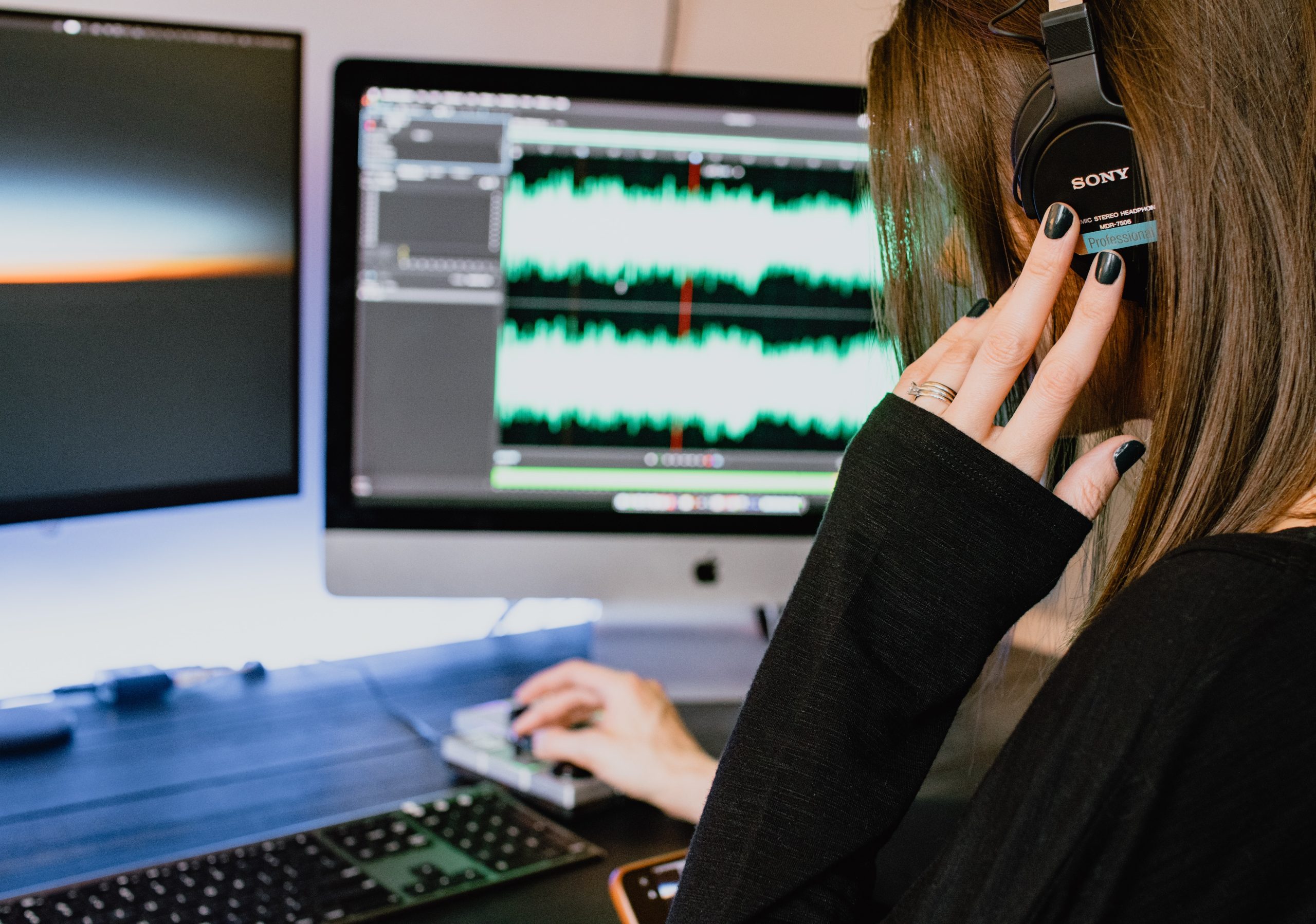
Our Approach: Breaking It Down Step by Step
Instead of treating the file as one overwhelming task, we approached it like a puzzle.
1. Slowing Everything Down
We adjusted playback speed and listened in short segments to catch words that would otherwise be missed.
2. Isolating Speakers
Even with overlapping dialogue, we carefully identified speech patterns, tone, and rhythm to distinguish who was speaking.
3. Cleaning the Noise (Mentally)
While we can’t always remove background sound entirely, trained transcribers learn to “listen through” noise—focusing on speech and filtering out distractions.
4. Researching in Real Time
Technical terms weren’t left to guesswork. We paused to verify terminology, ensuring accuracy instead of approximation.
5. Multiple Passes
One listen is never enough for difficult audio. We reviewed the file several times, each pass improving clarity and completeness.
HIGH-QUALITY TRANSCRIPTION
Want instant access to transcript ordering, price lists, and more? Sign up for your free client portal now.
The Human Advantage
What made the difference wasn’t just experience, but judgment.
A human transcriptionist can:
- Use context to interpret unclear phrases
- Recognize when something doesn’t make sense and revisit it
- Adapt to different speakers and environments
- Make informed decisions about formatting and readability
These are things AI still struggles to replicate consistently.
What This Means for You
If your audio isn’t perfect, you’re not alone. Real-world recordings rarely are.
But difficult audio doesn’t have to mean poor results.
With the right approach (and the right people behind it) even the most challenging recordings can be transformed into accurate, reliable transcripts.
Sign Up for Our Newsletter
The latest and greatest in transcription and translation news.

Leave a Reply